

اللوحات المؤقّتة ولوحات التصدير والاختبار والتجّار في الإمارات (2026): الدليل الكامل للوحات الحمراء ولوحات التصدير ولوحات التجارة
دبي واحدة من أكبر مراكز تصدير السيارات المستعملة على وجه الأرض — عشرات الآلاف من المركبات تغادر جبل علي كل شهر باتجاه أفريقيا ورابطة الدول المستقلّة والخليج. وكلّ واحدة منها تقريباً تحمل لوحة لم يملكها سائقها يوماً: لوحة حمراء مؤقّتة، أو لوحة تصدير، أو لوحة تاجر. هذه هي اللوحات «العاملة» في الإمارات — وبينما ينشغل السوق بأرقام كبار الشخصيات ذات الملايين، لا يكاد أحد يشرح اللوحات الوظيفية التي تحرّك السيارات فعلياً داخل البلاد وخارجها.
هذا هو ذلك الدليل. فإن كنت تستورد سيارة، أو تصدّر واحدة، أو تشتري من معرض، أو تدير ورشة، أو رأيت للتوّ لوحة حمراء في الطريق وتساءلت عن معناها، فإليك الصورة الكاملة لعام 2026 — اللوحات المؤقّتة، ولوحات التصدير، ولوحات التجّار والاختبار، ولوحات «الاختبار» و«القيادة الذاتية» الجديدة تماماً للمركبات ذاتية القيادة التي أطلقتها أبوظبي هذا العام.
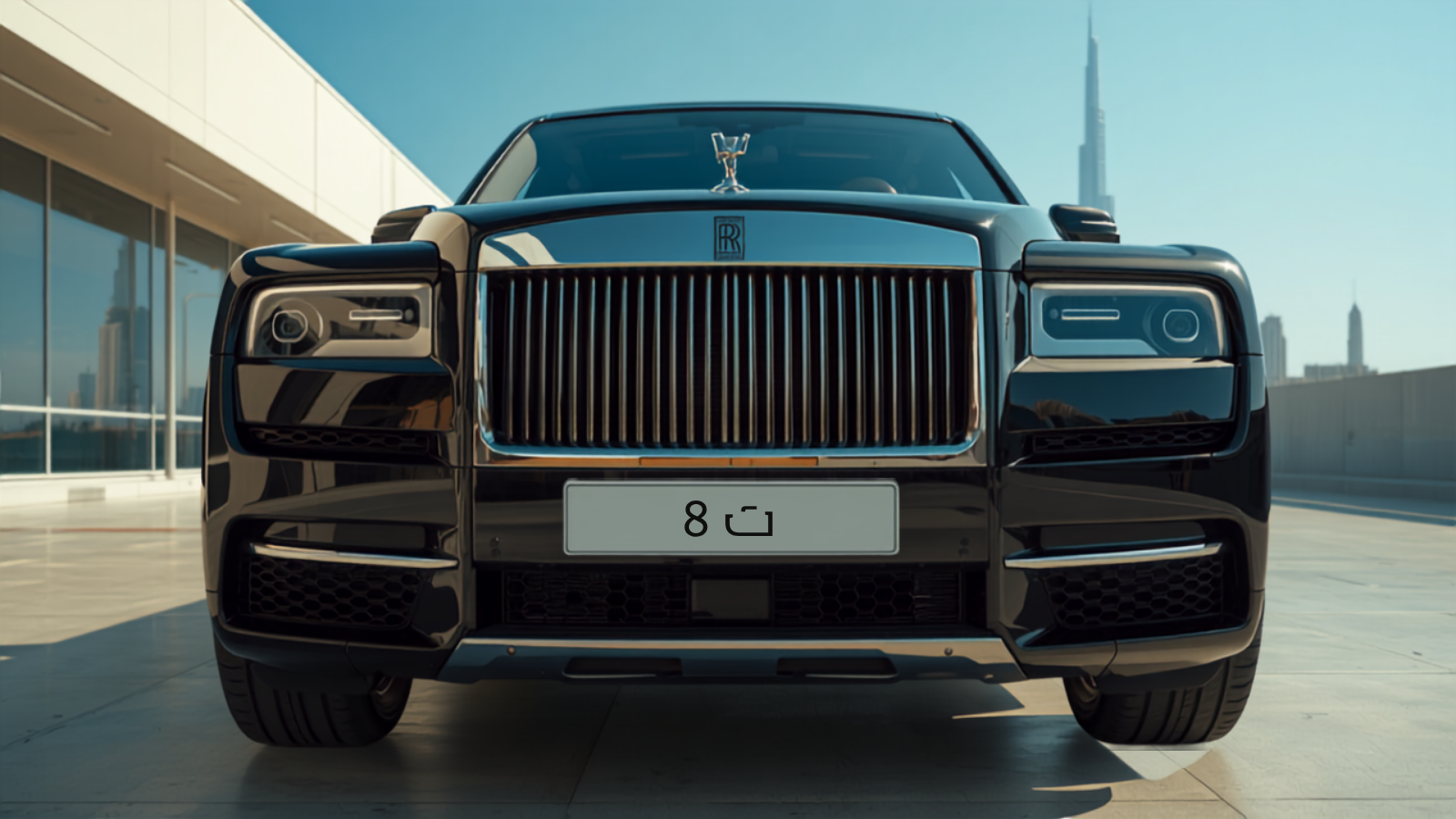
الخلاصة — اللوحات الوظيفية في الإمارات خلال 60 ثانية
- اللوحات المؤقّتة (الحمراء) تسجيلات قصيرة الأجل — صالحة عادةً من شهر إلى ثلاثة أشهر — للسيارات التي تنتظر التسجيل الدائم، أو الخاضعة للاختبار، أو التي تُجهَّز للتصدير. وهي محدودة زمنياً بصرامة ومقيّدة بفئتها.
- لوحات التصدير تسير جنباً إلى جنب مع شهادة التصدير من الهيئة. تسلّم لوحاتك الدائمة، وتسوّي كل مخالفة ورسم سالك وقرض، فتُصرَّح المركبة بمغادرة الدولة. والشهادة صالحة 30 يوماً.
- لوحات التجّار والتجارة والاختبار تتيح للمعارض والورش تحريك المركبات غير المسجّلة قانونياً لأغراض القيادة التجريبية والنقل واختبارات الورشة على الطريق دون تسجيل كل سيارة.
- لوحات «الاختبار» و«القيادة الذاتية» (أبوظبي، 2026) فئة جديدة بتصميم أزرق تميّز المركبات ذاتية القيادة بين التشغيل التجريبي والتجاري.
- هذه ليست اللوحات التي تستثمر فيها. فالرقم المميّز أصل منفصل مملوك — وإن كنت تصدّر سيارة تحمل واحداً منها، فافصل اللوحة واحتفظ بها قبل أن تغادر السيارة.
- سوء الاستخدام يُعامَل بجدّية: استعمال لوحة وظيفية خارج غرضها أو نافذة صلاحيتها قد يعني غرامات وحجزاً للمركبة وإبطالاً للتأمين.
ما يغطّيه هذا الدليل
- عالمان من اللوحات: الوجاهة مقابل الوظيفة
- اللوحات المؤقّتة (الحمراء) — ما هي وقواعدها
- لوحات التصدير وشهادة التصدير من الهيئة
- لوحات التجّار والتجارة والاختبار
- لوحات «الاختبار» و«القيادة الذاتية» الجديدة
- كل أنواع اللوحات الوظيفية — جدول مقارنة
- استيراد سيارة: من اللوحة المؤقّتة إلى التسجيل الدائم
- الغرامات وسوء الاستخدام: ما الذي يستوجب العقوبة فعلاً
- إن كانت سيارتك المصدَّرة تحمل لوحة مميّزة، افعل هذا أولاً
- الأسئلة الشائعة — 14 سؤالاً يطرحها المالكون والمستوردون والمصدّرون
عالمان من اللوحات: الوجاهة مقابل الوظيفة
الحديث عن اللوحات في الإمارات تهيمن عليه الوجاهة. فالأرقام أحادية الخانة تُباع بعشرات الملايين في مزادات خيرية، وسوق إعادة بيع اللوحات المميّزة من أكثر الأسواق تطوّراً في العالم. لكن كل لوحة من تلك التي تتصدّر العناوين تجلس فوق منظومة أكبر وأهدأ بكثير من اللوحات الوظيفية — اللوحات المعيارية وقصيرة الأجل الموجودة لأداء مهمّة: تسجيل سيارة جديدة، أو اختبارها على الطريق، أو نقلها بين المالكين، أو إرسالها إلى الخارج.
وفهم الفرق مهمّ لأن الفئتين تتبعان قواعد مختلفة تماماً. فاللوحة المميّزة أصل تملكه ويمكنك الاحتفاظ به أو نقله أو بيعه. أما اللوحة الوظيفية فهي إذن يُمنَح لك — مرتبط بمركبة وغرض وموعد نهائي. والخلط بينهما هو بالضبط ما يجعل الناس يخسرون المال بتصدير سيارة كانت لا تزال تحمل رقماً ثميناً، أو يُغرَّمون لقيادتهم بلوحة حمراء بعد تاريخ صلاحيتها.
اللوحات المؤقّتة (الحمراء) — ما هي وقواعدها
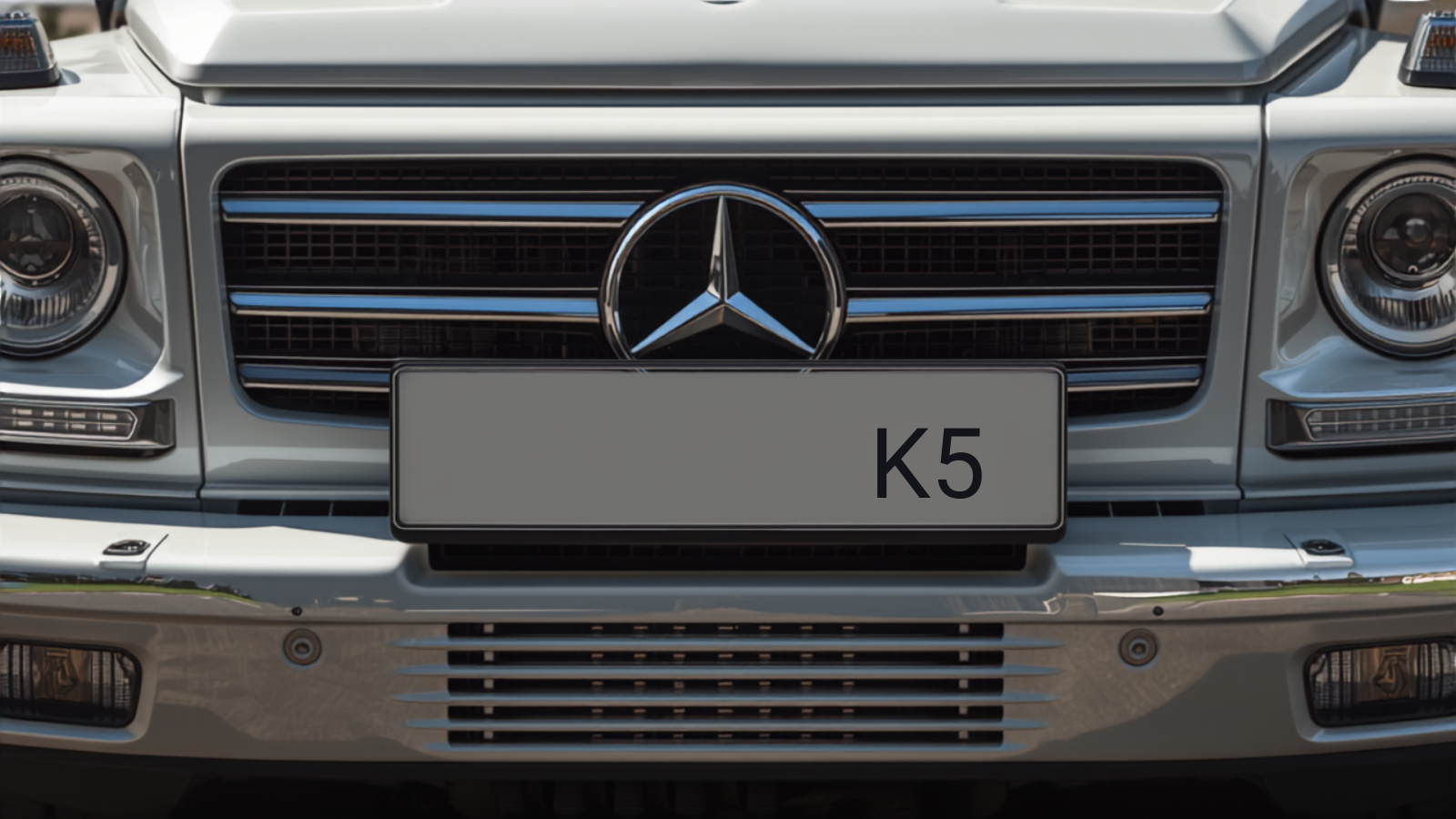
الإجابة المباشرة
اللوحة المؤقّتة — وهي حمراء عادةً — تسجيل قصير الأجل يُصدَر لمركبة غير مسجّلة تسجيلاً دائماً بعد. وتُستخدَم للسيارات التي تنتظر التسجيل، والمركبات الخاضعة لاختبار الصانع أو التاجر، والسيارات التي تُجهَّز للنقل أو التصدير. واللوحات المؤقّتة صالحة عادةً من شهر إلى ثلاثة أشهر، ومقيّدة بالغرض الذي صدرت من أجله، وتنظّمها هيئة الطرق والمواصلات في دبي (والجهة المكافئة في كل إمارة).
وفي حركة المرور اليومية سترى اللوحة الحمراء المؤقّتة غالباً على سيارة مستوردة جديدة لم تُنهِ التسجيل بعد، أو على سيارة في مرحلتها الأخيرة قبل شحنها للتصدير. واللون إشارة متعمّدة للشرطة وأنظمة المرور: هذه المركبة تعمل بإذن مؤقّت ومشروط — لا بتسجيل معياري.
والقواعد العملية التي يتعثّر فيها الناس:
- محدودة زمنياً. اللوحة المؤقّتة صالحة لنافذة محدّدة (من شهر إلى ثلاثة أشهر عادةً بحسب غرض الإصدار). وإن قدت بعد انتهائها فأنت عملياً تشغّل مركبة غير مسجّلة.
- مقيّدة بالغرض. اللوحة الصادرة للاختبار أو النقل ليست رخصة عامة لاستخدام السيارة كمركبة يومية. واستعمال مركبة خارج فئتها المسجّلة يُعامَل كمخالفة جسيمة.
- التأمين يتبع حالة اللوحة. السيارة على لوحة مؤقّتة تحتاج تغطية مناسبة لتلك الحالة؛ وقد تُرفَض المطالبة على لوحة مؤقّتة أُسيء استخدامها.
- ليست «لوحة رخيصة». اللوحات المؤقّتة إدارية، لا طريقاً اقتصادياً لامتلاك رقم. فإن أردت رقماً دائماً منخفض التكلفة، فذلك تسجيل عادي أو لوحة مميّزة بسعر معتدل — إجراء مختلف تماماً.
لوحات التصدير وشهادة التصدير من الهيئة
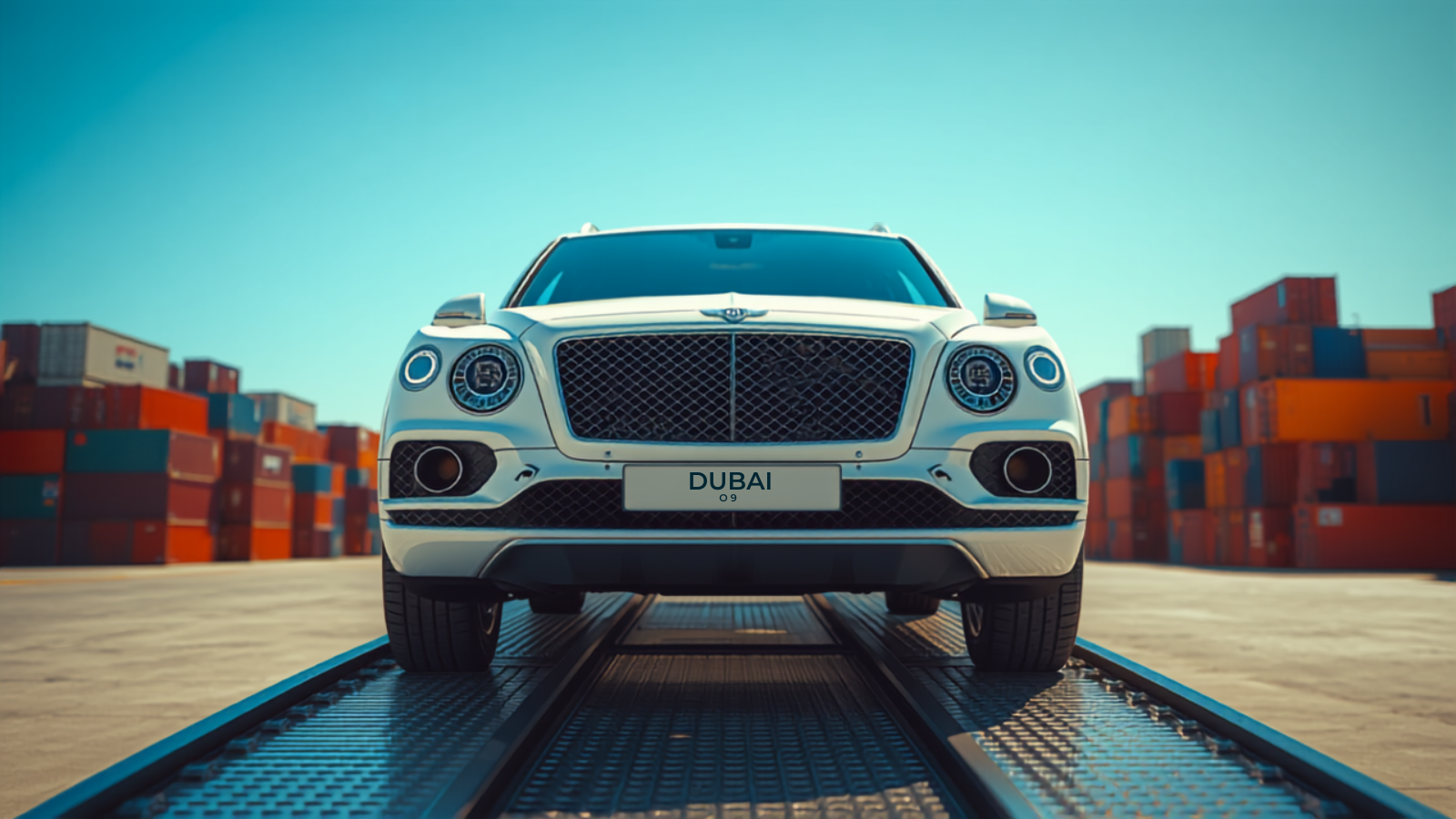
الإجابة المباشرة
لتصدير سيارة من الإمارات يجب أن تحصل على شهادة تصدير من هيئة الطرق والمواصلات (أو ما يعادلها). تسلّم لوحات المركبة الدائمة، وتسوّي كل المخالفات المستحقّة وسالك وأي قرض بنكي، فتُصدَر للسيارة تصريح التصدير — وغالباً مع لوحة تصدير مؤقّتة للرحلة الأخيرة إلى الميناء. وشهادة التصدير صالحة 30 يوماً، يجب أن تغادر المركبة الدولة فعلياً خلالها.
وهذه أهمّ عملية مفردة في هذا الدليل، لأن سوق تصدير السيارات المستعملة في دبي ضخمة وخطوة اللوحة هي حيث يعلق معظم المصدّرين لأول مرّة. وإليك التسلسل الذي ينجح فعلاً في 2026:
- سوِّ كل الالتزامات أولاً. المخالفات المرورية المستحقّة، وسالك غير المسدّد، وأي قرض مركبة قائم ستحجب طلب التصدير. فالنظام ببساطة لن يعالج الطلب حتى تكون السيارة نظيفة. (يمكنك فحص المخالفات برقم اللوحة هنا وتسوية سالك قبل أن تبدأ.)
- اجتز الفحص إن لزم. كثير من أسواق الوجهة تشترط فحصاً فنّياً وتقرير فحص من طرف ثالث قبل مغادرة المركبة جبل علي أو ميناء خليفة. احجز ذلك في مركز فحص معتمد (تسجيل أو شامل أو ما يعادلهما).
- تقدّم بطلب شهادة التصدير. تقدّم إلكترونياً عبر موقع الهيئة أو تطبيق دبي درايف، أو حضورياً في مركز سعادة المتعاملين. ستحتاج هويتك الإماراتية، والملكية (بطاقة التسجيل)، وتقرير الفحص عند الاقتضاء.
- سلّم اللوحات. تُعاد اللوحات الدائمة ويُلغى تسجيل السيارة محلياً. وقد تُصدَر لوحة تصدير مؤقّتة للقيادة إلى ساحة الشحن.
- اشحن خلال 30 يوماً. شهادة التصدير صالحة 30 يوماً. وإن لم تُصدَّر السيارة داخل تلك النافذة تنتهي الشهادة وتعيد التقديم من الصفر. وقد يلزم أيضاً تخليص جمارك دبي بحسب نوع الشحنة.
ملاحظة للمالك: «تسليم اللوحات» يشير إلى لوحات المركبة المعيارية. أما إن كانت السيارة تحمل رقماً مميّزاً تريد الاحتفاظ به، فعالج ذلك منفصلاً قبل أن تبدأ عملية التصدير — انظر القسم أدناه.
لوحات التجّار والتجارة والاختبار
الإجابة المباشرة
لوحات التجّار (التجارة) تتيح لمعرض أو ورشة مرخّصة قيادة ونقل المركبات غير المسجّلة فردياً قانونياً — للقيادة التجريبية، وتحريك المخزون بين المواقع، واختبارات الورشة على الطريق. فبدل تسجيل كل سيارة، تحتفظ المنشأة بمجموعة لوحات تجارة تركّبها على أي مركبة تحتاج التحرّك، ضمن قواعد استخدام صارمة.
وإن سبق أن جرّبت قيادة سيارة من الواضح أنها ليست مسجّلة باسمك، أو رأيت ناقلة تحرّك مخزون معرض، فتلك المركبات كانت شبه مؤكّد تعمل بلوحات تجارة. والخصائص الأساسية:
- مملوكة للمنشأة لا للسيارة. اللوحة تخصّ التاجر أو الورشة المرخّصة، لا أي مركبة بعينها.
- مقيّدة بالغرض. لوحات التجارة لعمليات العمل — العروض والنقل والاختبار — لا للاستخدام الخاص أو المشاوير الشخصية.
- خاضعة للمساءلة. المنشأة الحاملة مسؤولة عن أي غرامات أو مخالفات تقع أثناء استخدام لوحة تجارتها، ولهذا يضبطها التجّار الموثوقون بإحكام.
ولوحات الاختبار تتداخل مع هذه الفئة: يستخدمها الصانعون والتجّار لاختبار المركبات غير الخاضعة للتسجيل الدائم على الطريق. ولوحات «الاختبار» للمركبات ذاتية القيادة أدناه تطوّر متخصّص وحديث لهذه الفكرة بالضبط.
ما الذي تشترطه خدمة الهيئة فعلاً — وكم تكلّف
الخدمة الرسمية اسمها التقديم على لوحة تجارية أو إدارتها، وهي متاحة لفئة أضيق ممّا يظن كثيرون: الشركات والوكالات والمعارض العاملة في تجارة المركبات في دبي، وبرخصة تجارية صادرة من دبي. ولا تُقبل رخصة صادرة من إمارة أخرى.
والأوراق المطلوبة أوراق شركة لا أوراق مركبة — بطاقة هوية إماراتية، وخطاب من الشركة بختمها وتوقيعها، ونسخة من الرخصة التجارية السارية، وتأمين اللوحة التجارية، وتصديق التوقيع مع خطاب تفويض. ولا يستفيد من خيار المفوَّض بالتوقيع سوى المؤسسات الفردية وشركات الشخص الواحد ذات المسؤولية المحدودة.
| بند الرسوم | الإصدار | التجديد | الإلغاء |
|---|---|---|---|
| الشهادة | 150 درهماً | 150 درهماً | مجاناً |
| رسوم الخدمة | 10 دراهم | 10 دراهم | — |
| المعرفة والابتكار | 20 درهماً | 20 درهماً | — |
| الإجمالي | 180 درهماً | 180 درهماً | مجاناً |
وتفصيلان أهمّ من الرسوم. فاللوحات التجارية بيضاء بأحرف زرقاء، أي يمكن تمييزها بالنظر. وتذكر الهيئة المبدأ الحاكم بوضوح: رقم اللوحة ملك للشركة لا للمركبة — وهو الفصل نفسه الذي يجعل الرقم الخاص قابلاً للتداول، مطبَّقاً على أصل تجاري. وتبقى اللوحات بحاجة إلى تأمين خاص وأجهزة سالك، وتصدر الشهادة فوراً متى اكتمل الملف.
الخلاصة: اللوحة التجارية إذن مرتبط بمنشأة، لا رقم مرتبط بسيارة. وإذا انتهت الرخصة التجارية أو انتقلت خارج دبي، ذهبت اللوحة معها.
لوحات «الاختبار» و«القيادة الذاتية» الجديدة (2026)
الإجابة المباشرة
في يوليو 2026، استحدثت أبوظبي للتنقّل لوحة أرقام بتصميم أزرق مخصّصة للمركبات ذاتية القيادة. فاللوحات المؤشّر عليها «القيادة الذاتية» تعرّف المركبات التي تشغّل خدمات قيادة ذاتية تجارية، بينما تعرّف اللوحات المؤشّر عليها «اختبار» المركبات العاملة ضمن برامج الاختبار والتجريب. والتصميم الموحّد يجعل المركبات بلا سائق سهلة الرصد ويتيح للجهات مراقبة نشاط القيادة الذاتية عن كثب.
وهذه أحدث فئة لوحات وظيفية في الدولة، وتهمّ لسببين. أولاً، إشارة حيّة إلى وجهة التنقّل في الإمارات — فاللوحة نفسها صارت أداة تنظيمية لصنف جديد من المركبات. وثانياً، تُظهر كيف يتطوّر مفهوم «لوحة الاختبار» من إجراء ورقي إلى معرّف مصمّم لغرضه وظاهر للعموم. وإن كنت تتابع وجهة منظومة اللوحات القادمة، فهذا يقع إلى جانب التحوّل الأوسع الذي نغطّيه في دليل اللوحات الذكية في الإمارات، بما فيه NFC وGPS والمشروع التجريبي للوحة الرقمية.
كل أنواع اللوحات الوظيفية — جدول مقارنة
| نوع اللوحة | الغرض | الصلاحية المعتادة | من يحملها | هل يمكنك امتلاكها أو الاحتفاظ بها؟ |
|---|---|---|---|---|
| مؤقّتة (حمراء) | سيارة تنتظر التسجيل أو الاختبار أو تجهيز التصدير | نحو 1–3 أشهر | مالك المركبة أو مستوردها | لا — إنه إذن مشروط |
| لوحة تصدير | التصريح لسيارة بمغادرة الدولة | شهادة التصدير صالحة 30 يوماً | المالك المصدّر | لا — تُسلَّم عند إلغاء التسجيل |
| تاجر / تجارة | القيادة التجريبية ونقل المخزون واختبارات الورشة | قابلة للتجديد، مرتبطة بالرخصة التجارية | تاجر أو ورشة مرخّصة | لا — تحملها المنشأة |
| «اختبار» ذاتية القيادة | برامج التجريب والاختبار للقيادة الذاتية | مرتبطة باعتماد التجربة | مشغّل مركبات ذاتية القيادة معتمَد | لا — معرّف تنظيمي |
| «القيادة الذاتية» | الخدمات التجارية ذاتية القيادة | مرتبطة برخصة التشغيل | مشغّل مركبات ذاتية القيادة معتمَد | لا — معرّف تنظيمي |
| مميّزة / كبار الشخصيات (للمقارنة) | الوجاهة الشخصية والاستثمار | دائمة ما دامت مسجّلة باسمك | أنت — مالك خاص | نعم — أصل مملوك بالكامل وقابل للنقل |
والصفّ الأخير هو التباين المهمّ: كل ما فوقه وظيفي ومُعار؛ واللوحة المميّزة هي الوحيدة التي تملكها فعلاً. وهذا التمييز المفرد يقوم عليه سوق اللوحات المميّزة برمّته — ولهذا يستحقّ دليل ألوان اللوحات والمفكّك البصري لدينا القراءة إن أردت التعرّف على أي لوحة بمجرّد النظر.
استيراد سيارة: من اللوحة المؤقّتة إلى التسجيل الدائم
اللوحة المؤقّتة مرحلة، لا وجهة. فإن كنت قد استوردت مركبة، فالهدف تحويلها إلى تسجيل دائم ولوحة معيارية بأسرع ما يمكن. وبخطوط عريضة في دبي:
- التخليص الجمركي وشهادة الاستيراد. تُخلَّص المركبة المستوردة عبر جمارك دبي وتُصدَر لها شهادة استيراد مركبة.
- الفحص الفنّي. على الواردات المستعملة اجتياز فحص فنّي في مركز معتمد.
- التأمين. ستحتاج تأميناً سارياً على المركبة مناسباً لها قبل التسجيل.
- التسجيل واللوحات. بوجود الهوية الإماراتية ووثائق الاستيراد والفحص والتأمين، تسجّل الهيئة المركبة وتصدر لوحات دائمة — وعندها تنتهي مهمّة اللوحة المؤقّتة.
ومن هنا، إن أردت ترقية اللوحة المعيارية إلى شيء أكثر تميّزاً، فتلك خطوة منفصلة اختيارية — يمكنك حجز رقم بعينه أو شراء لوحة مميّزة. ونشرح ذلك في كيف تحجز رقم لوحة بعينه قبل شراء السيارة وكيف تشتري لوحة رقم في دبي.
الغرامات وسوء الاستخدام: ما الذي يستوجب العقوبة فعلاً
الإجابة المباشرة
أشيع طريقة للتعرّض للعقوبة مع لوحة وظيفية هي استعمالها خارج غرضها أو بعد صلاحيتها: القيادة بلوحة مؤقّتة منتهية، أو استخدام لوحة تجارة لرحلات خاصة، أو تصدير سيارة بعد انقضاء شهادة الثلاثين يوماً، أو تشغيل مركبة خارج فئتها المسجّلة. والعواقب قد تشمل الغرامات وحجز المركبة وإبطال التأمين.
ولأن مبالغ الغرامات الدقيقة تتغيّر وتختلف بين الإمارات، فالقاعدة الآمنة سلوكية لا رقمية:
- لا تقد أبداً بعد تاريخ الصلاحية. فاللوحة المؤقّتة أو لوحة التصدير المنتهية تعني مركبة غير مسجّلة في نظر النظام.
- لا تستخدم لوحة لغرض لم تصدر من أجله أبداً. لوحات التجارة لحركة العمل، لا للتنقّل اليومي.
- سوِّ الالتزامات قبل بدء أي تصدير. فالمخالفات وسالك لا تكلّف مالاً فحسب — بل تجمّد العملية كلّها. ومسار التحقّق لدينا قائمة فحص جيّدة قبل الانطلاق.
- تأكّد من الأرقام الحالية لدى الهيئة. لأي مبلغ عقوبة محدّد، راجع الهيئة الرسمية أو جهة الإمارة المعنية — ولا تعتمد على أرقام مدوّنة عمرها سنة.
إن كانت سيارتك المصدَّرة تحمل لوحة مميّزة، افعل هذا أولاً
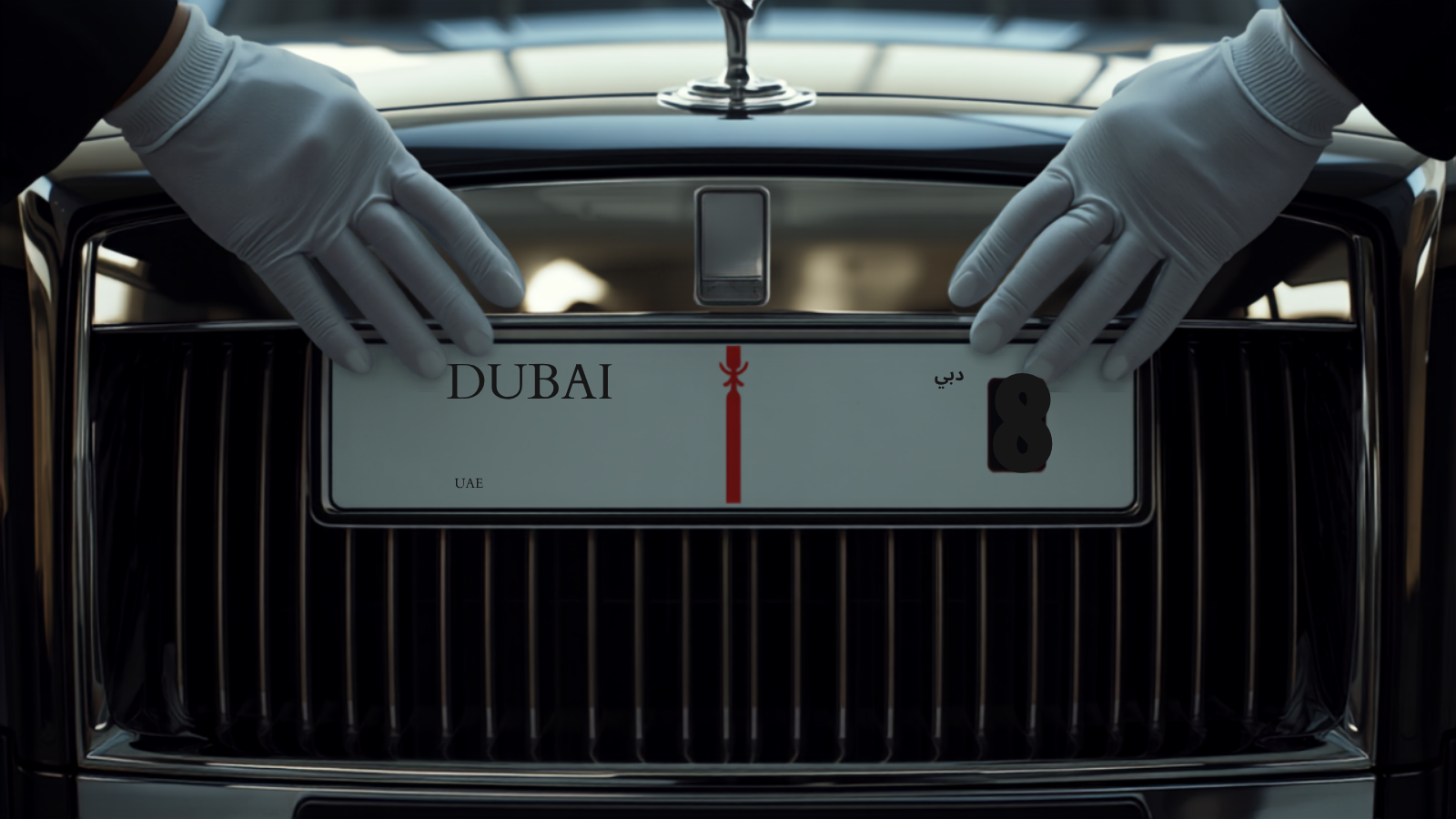
الإجابة المباشرة
إن كانت السيارة التي تصدّرها أو تبيعها تحمل لوحة رقم مميّزة، فافصل اللوحة عن السيارة قبل أن تبدأ عملية التصدير أو إلغاء التسجيل. فاللوحة المميّزة أصل شخصي قابل للنقل — يمكنك حجزه، أو إعادة تخصيصه لمركبة أخرى، أو نقله، أو بيعه. وتسليمها مع السيارة أثناء التصدير يعني التخلّي عن شيء قد يساوي أضعاف قيمة المركبة.
وهذا هو الخطأ الذي يكلّف المالكين المغادرين والمصدّرين أكثر ما يكلّف، وهو قابل للتجنّب تماماً. وترتيب العمليات بسيط:
- حدّد ما إذا كانت للوحة قيمة حقيقية. الأرقام القصيرة والخانات المتكرّرة والرموز المرغوبة تحمل علاوة. استخدم إطار تقييم اللوحات لدينا للفحص قبل أن تفعل أي شيء لا رجعة فيه.
- افصل اللوحة عن السيارة. احجز الرقم أو انقله إلى نفسك أو إلى مركبة أخرى تملكها، بحيث لا يشمل التصدير سوى اللوحة الوظيفية — انظر كيف تنقل لوحة رقم في دبي.
- ثم صدّر السيارة. ومع الرقم الثمين محفوظاً بأمان، تسلّم اللوحات المعيارية فقط وتمضي في شهادة التصدير.
- بع اللوحة على جدولها الزمني الخاص. فالرقم المميّز لا يلزم أن يغادر حين تغادر السيارة. اعرضه، وسعّره كما ينبغي، وبعه لمشترٍ في الإمارات.
تغادر الدولة كلّياً؟ دليل مغادرة الوافدين المخصّص لدينا يغطّي التعامل مع اللوحة عن بُعد بوكالة قانونية، وماذا يحدث للوحتك حين تبيع سيارتك يغطّي النسخة المحلية من القرار نفسه.
تبيع لوحة مميّزة قبل مغادرة سيارتك الإمارات؟ اعرضها على LicensePlate.ae وصل إلى مشترين جادّين في الإمارات مباشرةً — احصل على تقدير قيمة فوري، واعرضها في دقائق، واحتفظ بالأصل حتى بعد رحيل السيارة.
الأسئلة الشائعة — 14 سؤالاً يطرحها المالكون والمستوردون والمصدّرون
ما اللوحة الحمراء في الإمارات؟
اللوحة الحمراء تشير إلى تسجيل مؤقّت — مركبة تنتظر التسجيل الدائم، أو تخضع للاختبار، أو تُجهَّز للنقل أو التصدير. إنها إذن مشروط ومحدود زمنياً، لا لوحة معيارية تملكها.
كم مدّة صلاحية اللوحة المؤقّتة؟
اللوحات المؤقّتة صالحة عادةً من شهر إلى ثلاثة أشهر، بحسب الغرض الذي صدرت من أجله. والقيادة بعد تاريخ الانتهاء تعني عملياً تشغيل مركبة غير مسجّلة.
ما شهادة التصدير من الهيئة؟
هي الوثيقة التي تصرّح لمركبة بمغادرة الإمارات. تسلّم اللوحات الدائمة، وتسوّي كل المخالفات وسالك والقروض، فيُلغى تسجيل السيارة محلياً وتُخلَّص للتصدير. وهي صالحة 30 يوماً.
كم أمامي من وقت لتصدير سيارتي بعد الحصول على الشهادة؟
ثلاثون يوماً. فإن لم تُصدَّر المركبة فعلياً خلال تلك النافذة، تنتهي شهادة التصدير وعليك إعادة التقديم.
هل يلزم تسوية مخالفاتي قبل تصدير سيارة؟
نعم. المخالفات المرورية المستحقّة وسالك غير المسدّد وأي قرض مركبة قائم ستحجب طلب التصدير كلّياً — فالنظام لن يعالجه حتى تكون المركبة خالصة.
هل يمكنني الاحتفاظ بلوحة رقمي عند تصدير السيارة؟
تحتفظ برقم اللوحة إن كانت لوحة مميّزة فصلتها مسبقاً — احجزها أو انقلها قبل أن تبدأ التصدير. أما اللوحات الوظيفية المعيارية فتُسلَّم كجزء من إلغاء التسجيل.
ما لوحات التجّار أو التجارة؟
لوحات يحملها معرض أو ورشة مرخّصة تتيح للمنشأة قيادة ونقل المركبات غير المسجّلة قانونياً للقيادة التجريبية وتحريك المخزون واختبارات الورشة — دون تسجيل كل سيارة على حدة.
هل أستطيع استخدام لوحة تجارة للقيادة الشخصية؟
لا. لوحات التجارة لعمليات العمل حصراً. واستخدام واحدة لرحلات خاصة سوء استخدام قد يؤدّي إلى غرامات ومسؤولية على المنشأة الحاملة.
ما لوحتا «القيادة الذاتية» و«الاختبار» الجديدتان في أبوظبي؟
فئة لوحات بتصميم أزرق لعام 2026 للمركبات ذاتية القيادة. «القيادة الذاتية» تميّز الخدمات التجارية ذاتية القيادة؛ و«اختبار» تميّز المركبات في برامج التجريب والاختبار. والتصميم يجعل المركبات بلا سائق سهلة التعرّف.
هل اللوحة المؤقّتة طريقة رخيصة للحصول على لوحة رقم؟
لا. اللوحات المؤقّتة إدارية ومحدودة زمنياً. فإن أردت رقماً دائماً بسعر معقول، فذلك تسجيل معياري أو لوحة مميّزة بسعر معتدل — إجراء مختلف تماماً.
هل أحتاج تأميناً على سيارة بلوحة مؤقّتة؟
نعم. تحتاج السيارة تغطية مناسبة لحالتها. وقد تُرفَض المطالبة على لوحة مؤقّتة أُسيء استخدامها أو منتهية، فأبقِ اللوحة سارية ومستخدَمة لغرض إصدارها فقط.
أين أسلّم لوحاتي عند التصدير؟
في مركز فحص أو تسجيل معتمد تابع للهيئة أو الشرطة — تسجيل أو شامل أو ما يعادلهما — حيث تُفحَص السيارة (عند اللزوم)، وتُعاد اللوحات، وتُصدَر وثائق التصدير.
هل أستطيع تصدير سيارة لا يزال عليها قرض بنكي؟
ليس حتى يُسدَّد القرض. فاتفاقية التمويل القائمة تحجب إلغاء التسجيل والتصدير كما تفعل المخالفات وسالك غير المسدّدة.
ماذا يحدث للوحة ثمينة إن نسيت فصلها قبل التصدير؟
إن سُلِّم رقم مميّز مع السيارة أثناء التصدير، فأنت تفقده عموماً عائداً إلى النظام — وقد تتخلّى بذلك عن أصل يساوي أضعاف قيمة المركبة. قيّم دائماً لوحة مميّزة وافصلها قبل بدء أي تصدير أو إلغاء تسجيل.
الخلاصة النهائية
اللوحات الوظيفية في الإمارات — المؤقّتة والتصدير والتجّار والجديدة ذاتية القيادة — أذون، لا ممتلكات. فهي مرتبطة بمركبة وغرض وموعد نهائي، والمنظومة كلّها تسير بسلاسة ما دمت تحترم تلك الحدود الثلاثة. أما سوق اللوحات المميّزة الذي يتحدّث عنه الجميع فيقع منفصلاً تماماً: تلك الأرقام أصول مملوكة يمكنك الاحتفاظ بها ونقلها وبيعها. أتقن هذا التمييز — وخصوصاً عادة فصل الرقم الثمين قبل تصدير السيارة — ولن تترك مالاً على الطاولة ولا غرامة في سجلّك أبداً.
حذف التعليق؟
هل أنت متأكد أنك تريد حذف هذا التعليق؟ لا يمكن التراجع عن هذا الإجراء.
حذف المقال؟
هل أنت متأكد أنك تريد حذف هذه المقالة؟ سيؤدي ذلك أيضًا إلى حذف جميع التعليقات. لا يمكن التراجع عن هذا الإجراء.